




Finding innovative clothing requires innovative techniques.
To many, Manchester will conjure thoughts of musicians, or perhaps the weather, but also likely thoughts of innovation. Graphene, the first timetabled passenger railway, even the weekend; these are all things that have come from Greater Manchester.
A deep part of Manchester’s history is textiles. At one point Manchester was informally referred to as Cottonopolis, because of its role in the global cotton trade. However, Manchester’s textiles industry declined quickly from the 1930s onwards. Manchester reinvented itself.
In the 1960s, an underground music scene developed in the North of England. In Manchester, places like Wigan Casino and the Twisted Wheel combined less well known but fast-paced soul music with dancing and flared trousers. This was Northern Soul, a movement that went global and is still strong in Japan.
In the 1980s and 1990s Manchester became the heart of rave culture, through the Hacienda, and Factory Records. The ‘Madchester’ scene had influence across the globe through its music, but also through its fashion. Inspired by the baggy clothes of Northern Soul, clothing brands such as Joe Bloggs became synonymous with the Madchester scene.
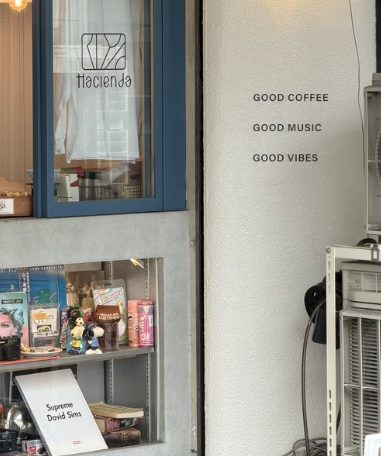
As its textile industry declined, so has Manchester’s rave scene, and so has Wigan Casino. The Hacienda is now the name of an apartment block, with the nightclub having closed almost 30 years ago. So, what’s appearing in its place?
Walking around Manchester, it’s not uncommon to see people queuing outside a streetwear store. You also notice a lot of people wearing Manchester based brands like Adanola, or Represent. So, I decided to use The Data City’s platform to understand a bit more about this sector.
There’s not a Standard Industrial Classification (SIC) code for streetwear shops. The closest you can get is “Retail sale of clothing in specialised stores”. So, I’m going to have to create my own machine-learning-powered list to analyse the sector.
To create a list of streetwear shops, I need some examples to start with. There’s some I walk past fairly often. I start with these.
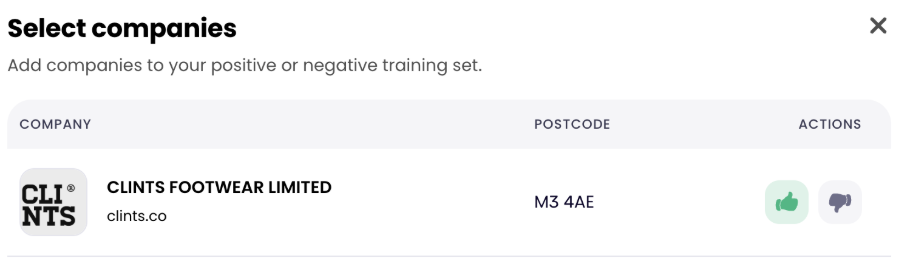
I add Clints, Represent, UN:IK Clothing, Bound and a couple of others to a training set and click build. This analyses the web text of these companies and finds companies that use similar words. I have to add negative examples, that is, companies that aren’t making or selling streetwear.
After 30 minutes of building lists, checking the results, and adding to the training set, I have something good. I’ve got all of the brands that appear when you google UK streetwear brands, but many more that wouldn’t appear. My list is based on how companies are describing themselves, rather than how their accountants describe them, meaning my list doesn’t include other fashions too.
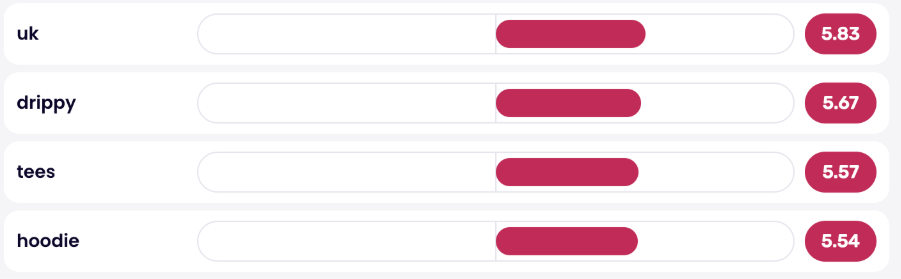
To make sure my list is precise, I check the terms that the model has identified as important for streetwear companies, and they all look good too.
Now I’m ready to analyse and I’m ready to understand whether Manchester has found itself another niche.
These are the headline numbers of the UK’s streetwear market.

So where can we find the most streetwear (drip)?
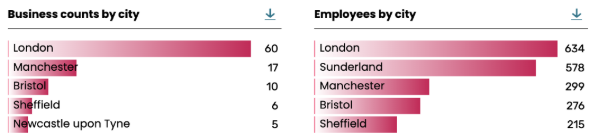
London has the highest number of streetwear businesses. But London is also a large place. So there’s actually a greater concentration of streetwear businesses in Sheffield, Bristol and Manchester.
In terms of employment, Sunderland is worth a mention. Sunderland is home to the headquarters of End clothing and where a large part of their operation remains. Their first store was in Newcastle, but now have stores in Glasgow, Manchester, London, and Milan.
Manchester has a good number of streetwear companies, and a number of large streetwear companies, like Represent and Maniere de Voir. So, while no place has a monopoly on streetwear, Manchester definitely has a strong influence.
The question of whether Manchester is reinventing itself through streetwear came to me whilst walking around the city. While it’s nice for me to satisfy my curiosity, it’s more important that local authorities and industry bodies have the information they need to make timely decisions, as this has an impact on the paths of these sectors.
The challenge with sectors like this is that they don’t fit neatly into traditional classifications. That’s why The Data City has developed technology that can identify and analyse emerging sectors in minutes rather than the days or weeks often required by manual research.
Want to analyse sectors that SIC codes can’t see? Book a free trial and discover how The Data City helps you build, explore and understand emerging industries in minutes.