




When people talk about fast-growing technology businesses, they often focus on the product, funding, or market opportunity. They rarely focus on how decisions get made inside the company. But at The Data City, the way we think and operate has always been part of what makes the business work.
Yes, today we have a female-led operational leadership team. But this story is not really about gender. It is about building a company by finding the right people, trusting them, and giving them space to shape the business.
Building differently from day one
I first started working with The Data City in 2020, at the time, I was working as a consultant and Alex Craven was acting as a Non-Executive Director for one of the businesses I was advising. He asked if I could do some consultancy work with The Data City initially only commit one day a week, but like many things at The Data City, it evolved quickly.
One day a week became more involvement, then more ownership, until eventually I was deeply embedded in the business. A year later, after presenting my plans for scaling operations, Paul Connell asked a simple question:
“So… you want to be the COO then?”
That moment said a lot about the culture of the business.
I had known Alex since 2011, when he was MD of Bloom, later acquired by Jaywing. One of the things that always stood out about him was his belief that titles matter far less than capability. If someone can do the role, empower them to do it.
But hearing that question from Paul Connell was still a big moment for me. By that point, I had gradually taken on much of his day-to-day operational role, so there was a huge amount of trust wrapped up in that conversation.
And then there is Tom Forth. Tom is one of those rare people who can move seamlessly between deep technical thinking, economics, public policy and product vision. Being trusted and respected by a founding team with such different strengths and perspectives genuinely meant a lot.
That combination of personalities also explains a lot about why The Data City works.
The company has never been built around hierarchy or ego. It has been built around curiosity, capability, and the willingness to challenge assumptions. That thinking now runs through everything we do, from how we build products to how we build teams.
Different perspectives made us stronger
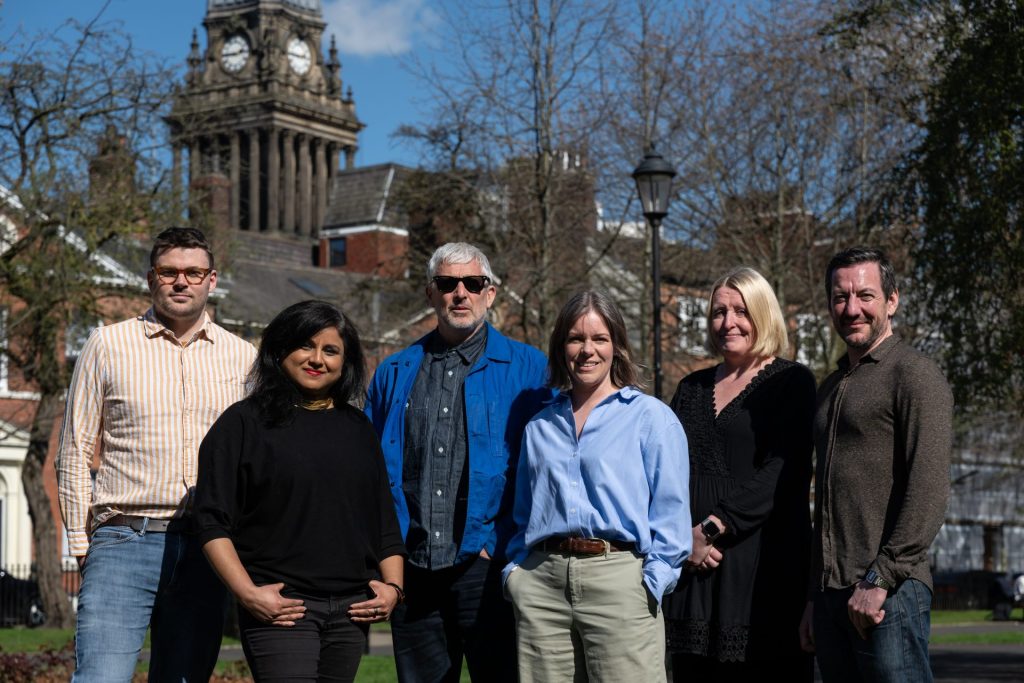
Being the only woman on the board at that stage was not intimidating for me, but there was an important dynamic- the other three board members were founders. They had built the company from scratch, lived every decision, and carried the business through its earliest stages. What they needed was not more of the same thinking. They needed different perspectives. That difference became incredibly important as we scaled.
Moving from an early-stage business into a scaling company forces different kinds of decisions. Hiring becomes more critical. Communication becomes more important. Prioritisation becomes harder. The balance between pace and quality becomes more delicate.
The Data City has always tried to avoid unnecessary process and complexity. We move quickly, but we also care deeply about quality and clarity. Those principles are written into our values and behaviours today, but they were visible in practice long before they were formalised.
My role naturally evolved into helping bring more operational structure to that ambition, without losing the energy and pace that made the business special in the first place.
Hiring people who can shape the business
One of the biggest lessons I have learned in my career is that great hires are rarely just functional hires. The best people change the direction and capability of the company around them.
That was certainly true with Emma Dickinson.
When we reached the point where we needed a Finance Director, Alex and I were both keen to work with Emma again. We already knew she was pragmatic, commercially sharp, and hugely capable. Emma had developed an even more impressive CV in the few years Alex had last worked with her and was at CFO level. For a relatively lean scale-up, hiring someone operating at that level was a significant decision, but Emma brought much more than finance leadership. She brought operational judgement, strategic thinking, calmness under pressure, and a deep understanding of how to scale responsibly.
Importantly, she embodied something that matters enormously at The Data City: commerciality creates freedom.
That phrase is one of our core behaviours internally. It means understanding that strong commercial decisions give businesses the freedom to innovate, move quickly, and invest in the future. Emma embodies that mindset exceptionally well.
Knowing when somebody is the right fit
Bringing Mitali Mookerjee into the business happened differently again.
All four board members already knew Mitali through the wider digital and technology community. Paul first met her at a gig back in 2022, they ended up talking about business, and he came away hugely impressed. He approached her about opportunities around sales and customer success, but the timing was not right then.
Thankfully, we stayed in touch.
In April 2025, we invited Mitali to lunch to discuss the possibility of her joining as CRO. But as soon as we started talking properly about her background, leadership style, and experience building and scaling businesses, I remember thinking almost immediately:
“No. She should be our UK Managing Director.” And I said exactly that over lunch!
Mitali brings a rare combination of commercial instinct, creativity, operational understanding, and emotional intelligence. She understands people, markets, storytelling and growth in equal measure. That combination is incredibly powerful in a company like ours, where we are constantly translating complex technology into clear value for customers.
But we also knew this hire had to be right for everyone.
So rather than rushing the process, Mitali joined initially as a consultant. That gave her time to properly understand the business, the team, our strengths, our weaknesses, and the opportunities ahead of us. It also gave all of us confidence that this was not simply a good hire on paper. It was the right leadership fit culturally and strategically.
By October 2025, it became official. Mitali became UK Managing Director.
That shift allowed Alex and Paul to focus more heavily on expanding our US opportunities. It gave Tom more space to focus on technology and product innovation. And it created a leadership structure that gave the wider team more clarity, focus and support day to day.
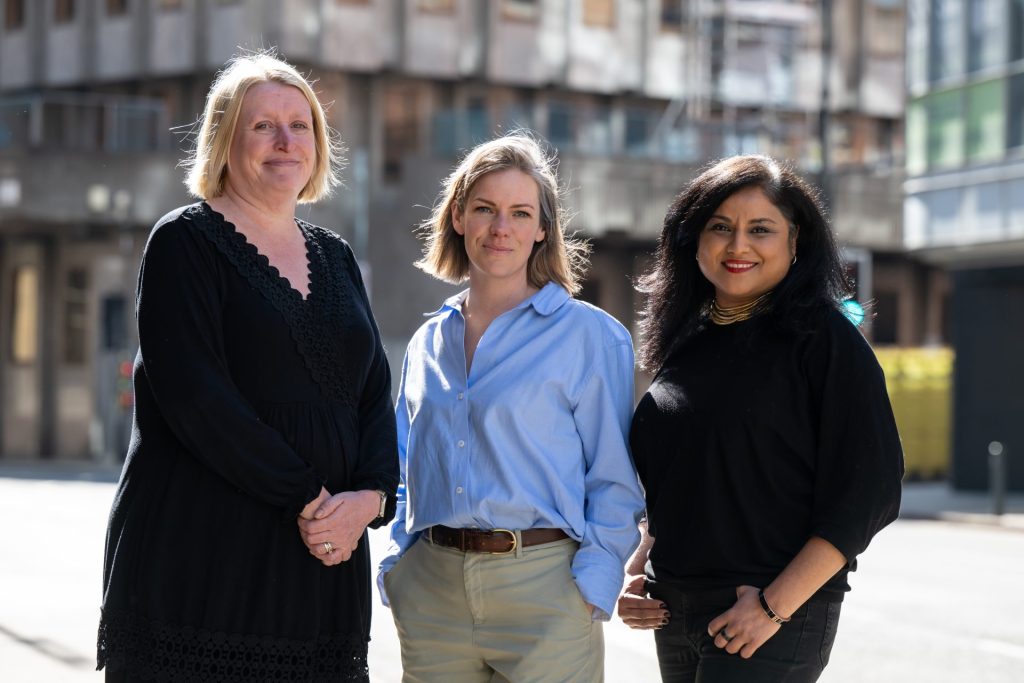
Today, Emma, Mitali and I work incredibly closely together on UK strategy and operations, whilst Emma and I contribute to the company’s wider global ambitions.
Why this matters
There is often a temptation to frame stories like this purely through the lens of diversity- and representation does matter, but I think the more important point is this:
The Data City has grown by deliberately bringing in people who think differently.
Different experiences/ leadership styles/ ways of solving problems/ ways of communicating/ instincts.
That diversity of thinking has made us better commercially, operationally and strategically. It is also deeply connected to what The Data City actually does as a business.
We exist because traditional ways of understanding companies and industries no longer work properly. SIC codes are outdated. Static classifications miss emerging sectors. Legacy systems fail to capture how modern businesses really operate. The whole company was built around challenging assumptions and creating clarity where existing systems fall short.
Internally, we have tried to apply that same philosophy to building teams and leadership structures. Not following a template, not hiring the obvious profile and not building hierarchy for the sake of it.
Instead, building a business around capability, trust, curiosity, and people who can genuinely move the company forward and that is what thinking differently looks like in practice.
And…we are still only getting started!